Isle of Wight Factsheet
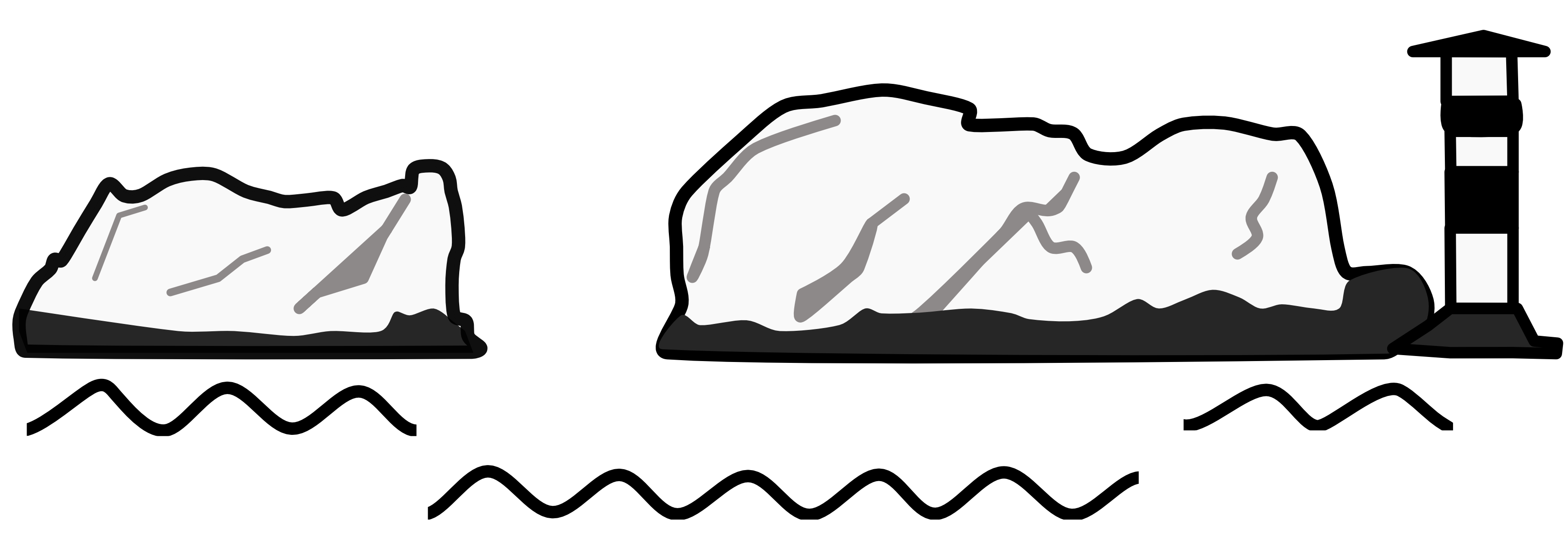
The Isle of Wight is an island off the south coast of England, connected to the mainland by ferries from Portsmouth, Southampton and Lymington, and by rail from London to the south-coast ports.
It was historically part of Hampshire, but the Isle of Wight is a county in its own right. Compact enough for a day trip, varied enough to feel like a destination in itself. People have lived here since before Roman times, and it’s still one of England’s most popular holiday spots, with sandy beaches, chalk cliffs and winding country lanes.
These guides were updated in 2026. They cover ferry routes and crossing times, alongside questions about the island’s geography.
They’re written by Matt Blake, an Isle of Wight web designer who lives on the Island. Alongside these guides, he builds and looks after websites for local businesses.
Travel
Can I travel to the Isle of Wight from UK?
Yes. You can reach the Isle of Wight from the UK by car ferry, hovercraft, fast cat or flight. Compare routes from Southampton, Portsmouth, Lymington and Southsea.
How long does the Isle of Wight ferry take?
Quickest crossing: the 10-minute hovercraft from Portsmouth (Southsea) to Ryde. Car ferries take 30 to 60 minutes. All Isle of Wight routes compared.
Geography
What is the circumference of the Isle of Wight?
The circumference of the Isle of Wight is about 57 miles of coastline, or 65 to 70 miles by road. Which figure to use for driving, cycling or walking.
What is the size of the Isle of Wight in miles?
The Isle of Wight is about 23 miles long, 13 miles wide and 147 square miles in area. Compact enough for a day trip, varied enough to feel like its own county.
Why does Alum Bay have coloured sand?
Alum Bay's coloured sand comes from iron-rich minerals in 50-million-year-old cliffs near the Needles. How geology, weathering and conservation shaped the famous stripes.
Run an Isle of Wight business? Let's get your website off the worry list.
You message me when something needs changing.